

ءذ
In the competitive digital landscape of 2026, scaling a business doesn't always require a massive budget. At elhawary.top, we believe that a lean, smart marketing stack is the foundation of digital success. This updated guide brings together the most effective free tools to help small and midsize organizations plan, create, and grow without breaking the bank.
The "Freemium" Reality
Most "free" tools in 2026 operate on a freemium model. They offer powerful base features for free, with paid tiers for advanced scaling. Understanding these limits early helps you build a workflow that won't break as your business expands.
1. Planning and Organizing Your Marketing
Efficiency starts with organization. You can manage complex campaigns using these lightweight, cost-free platforms:
Trello: Perfect for visual thinkers using Kanban boards to track tasks from "Idea" to "Published."
Notion: An all-in-one workspace that combines notes, docs, and project management—highly customizable for any niche.
Google Sheets: Still the gold standard for creating content calendars and tracking SEO keywords.
2. Content Creation and Visual Branding
In 2026, high-quality visuals are non-negotiable. Luckily, professional-grade design is now accessible to everyone:
Canva & Affinity: Canva remains the king of quick social graphics and AI-assisted design. For those needing professional vector work or photo editing without a subscription, Affinity tools offer a robust free alternative.
CapCut & DaVinci Resolve: For video marketing, CapCut is ideal for mobile-first social content (Reels/TikTok), while DaVinci Resolve provides Hollywood-level editing for free on desktop.
AI Writing Assistants: Tools like Gemini and ChatGPT act as your first-draft partners, while Grammarly ensures your brand voice remains polished and professional.
3. Website, Landing Pages, and Link Management
Your website is your digital headquarters. However, for specific campaigns, you need speed:
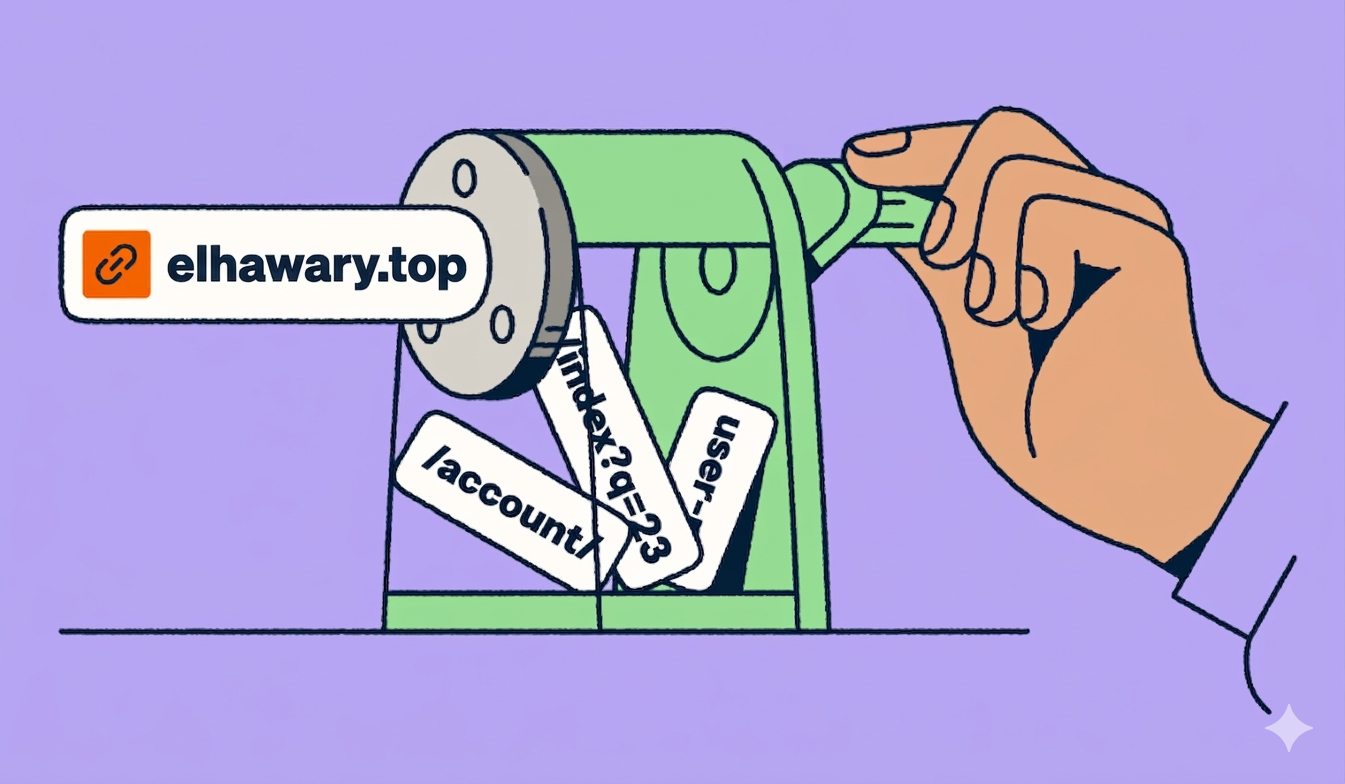
elhawary.top Strategy: Instead of complex web builds for every promotion, use Link-in-bio tools or Bitly Pages. These allow you to create mobile-friendly landing pages in minutes to test new offers or products.
Branded Short Links: Always use shortened, tracked links. They not only look cleaner but provide essential data on where your traffic is coming from.
4. Email Marketing and CRM
Building a direct relationship with your audience is the most sustainable way to grow:
MailerLite & Brevo: While Mailchimp is a classic, MailerLite and Brevo often offer more generous free tiers (up to 1,000 subscribers) and better automation features for growing lists.
HubSpot CRM: Track your leads and customer interactions in one place. Their free CRM is an industry standard for a reason—it’s powerful and scales with you.
5. Analytics and Market Insights
Data is the compass of your marketing strategy. Use these tools to see what’s actually working:
Google Analytics 4 (GA4): The essential tool for tracking website traffic and user behavior.
Google Trends: Identify emerging topics in your industry before your competitors do.
Hotjar: Gain visual insights into how users interact with your pages through heatmaps.
The elhawary.top Verdict
You don’t need dozens of apps to see results. A focused stack of 4 or 5 tools that cover Planning, Creation, Distribution, and Analytics is enough to dominate your niche. Pick one tool per category, master it, and ensure they all integrate to keep your data consistent.
Ready to optimize your digital presence? Stay tuned to elhawary.top for more guides on website monetization, SEO, and AI-driven growth.